Trex® Decking
Since 1996, Trex Company has focused on providing long lasting, beautiful decks that offer the look and feel of wood without the upkeep and cost.
Trex also strives to be environmentally conscious, turning millions of pounds of recycled and reclaimed plastic and waste wood into high performing decking, railing and fencing products. That’s why The Decking Superstore is proud to offer all our eco-conscious customers a vast selection of Trex products… and there’s a lot to choose from too.
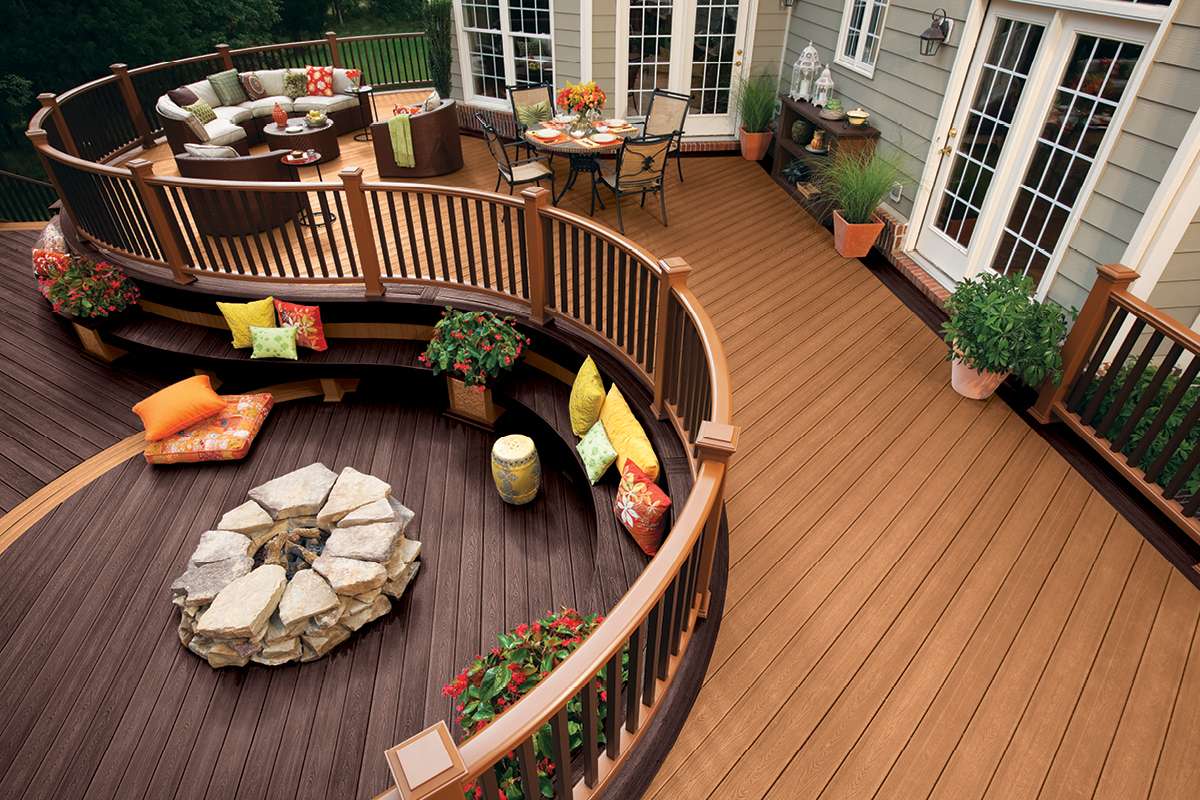
About Trex® Decking
Dreaming of a deck that comes with little to no maintenance? Trex decking materials are the answer for those who want a durable, reliable and beautiful deck, without the added work of keeping it looking new year after year.
Trex is the country’s largest manufacturer of wood alternative decking and railing products. There’s a reason Trex is the leading recycled materials manufacturer of wood-alternative decking, railings and other outdoor items for a material that mimics the look of wood, without the annual maintenance. It’s stood the test of time as a leading company delivering quality composites.
Why Trex Decking From The Decking Superstore?
Widest Selection in NorCal
Around Since 1965
Over 2 Acres of Decking Onsite
Ship Nationwide
Custom Milling Onsite
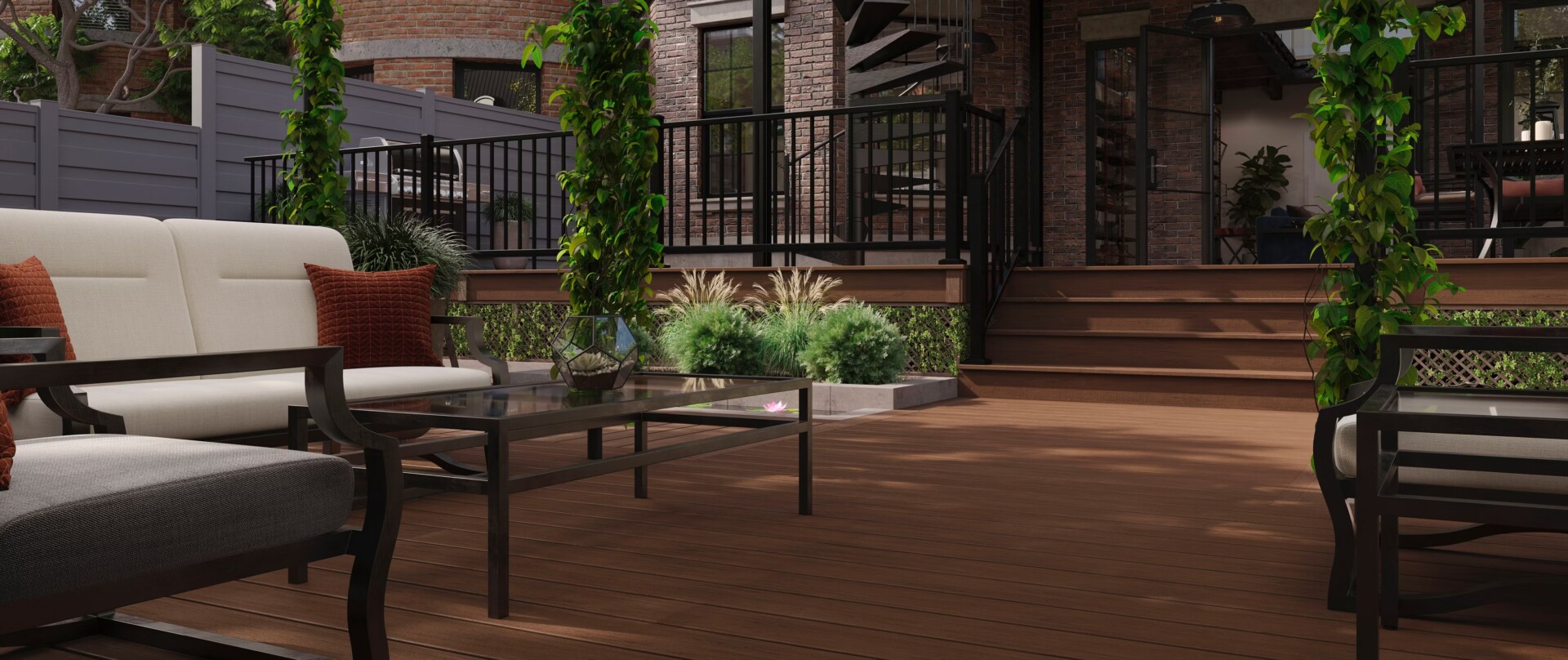
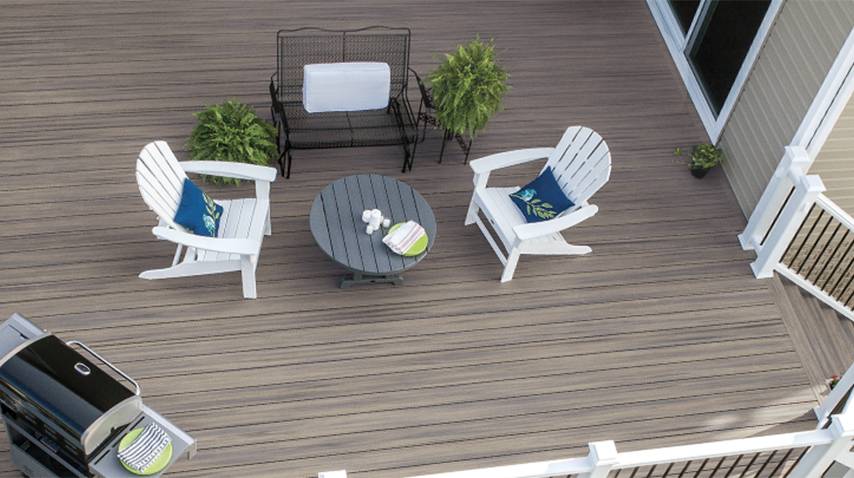
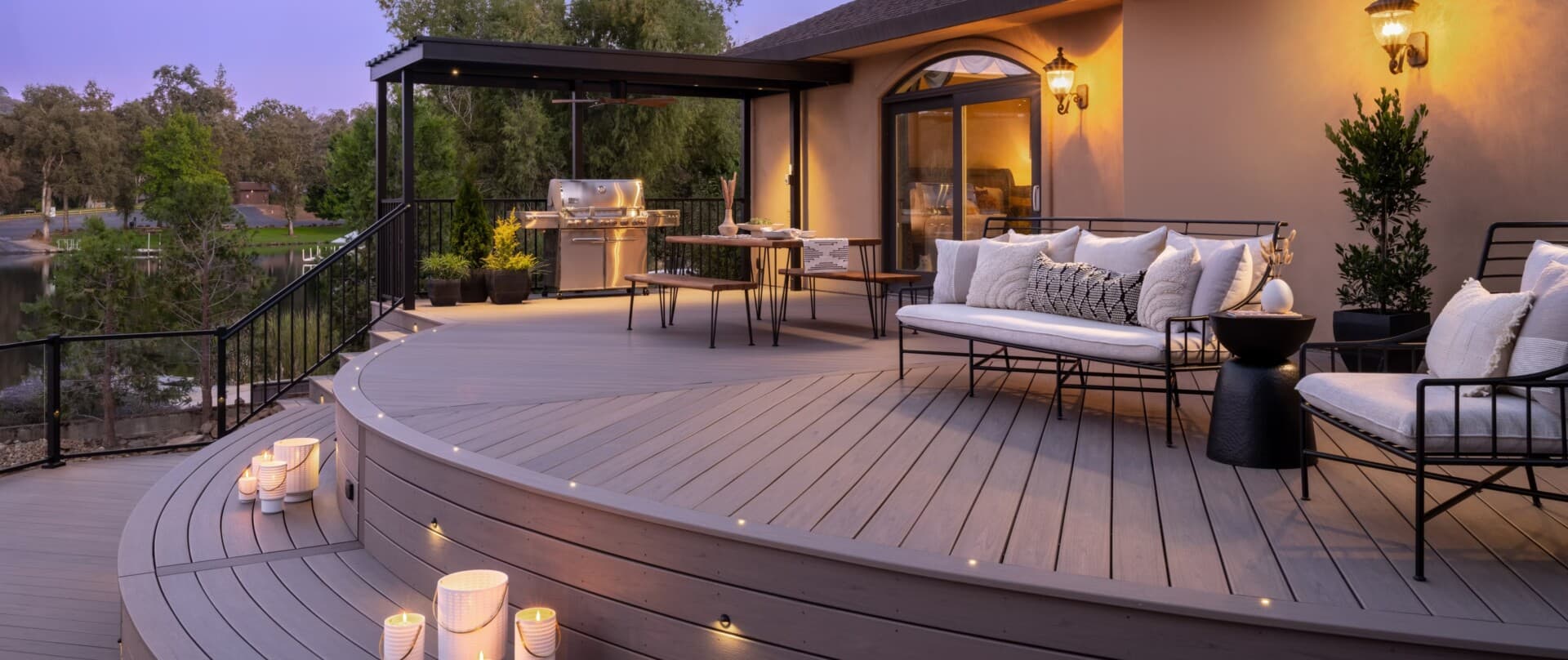
Explore Our Trex Products
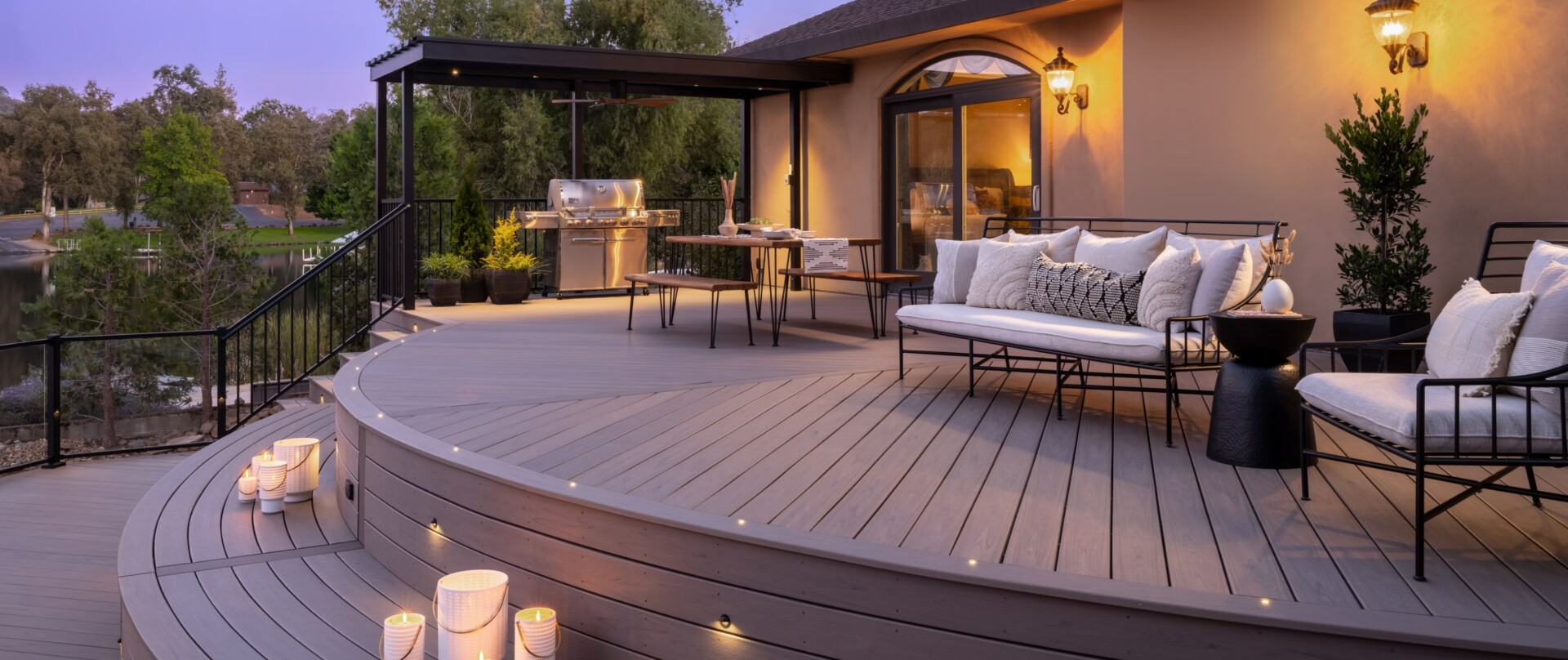
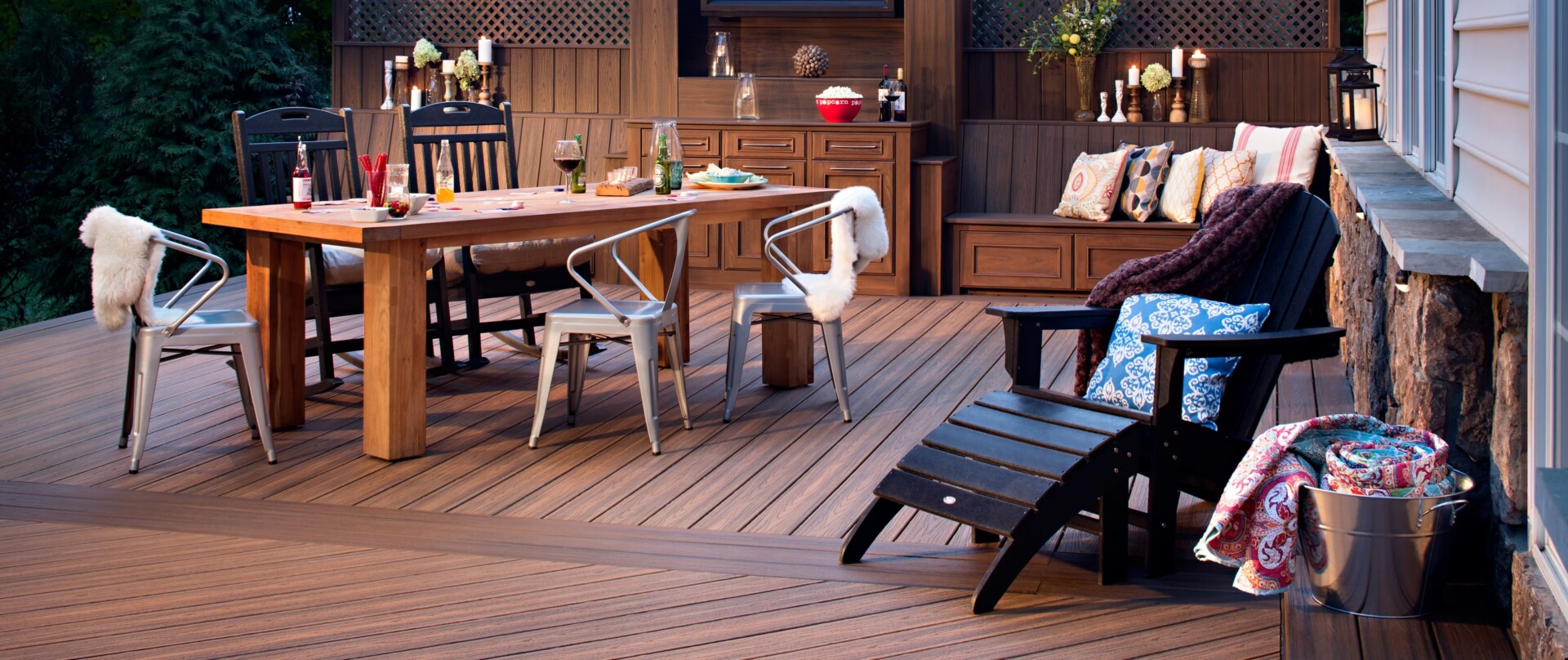
Request a Free Quote
Interested in a free quote? Please contact us today and one of our experts will get in touch with you.
Request a quoteExplore Our TimberTech Decking Selection
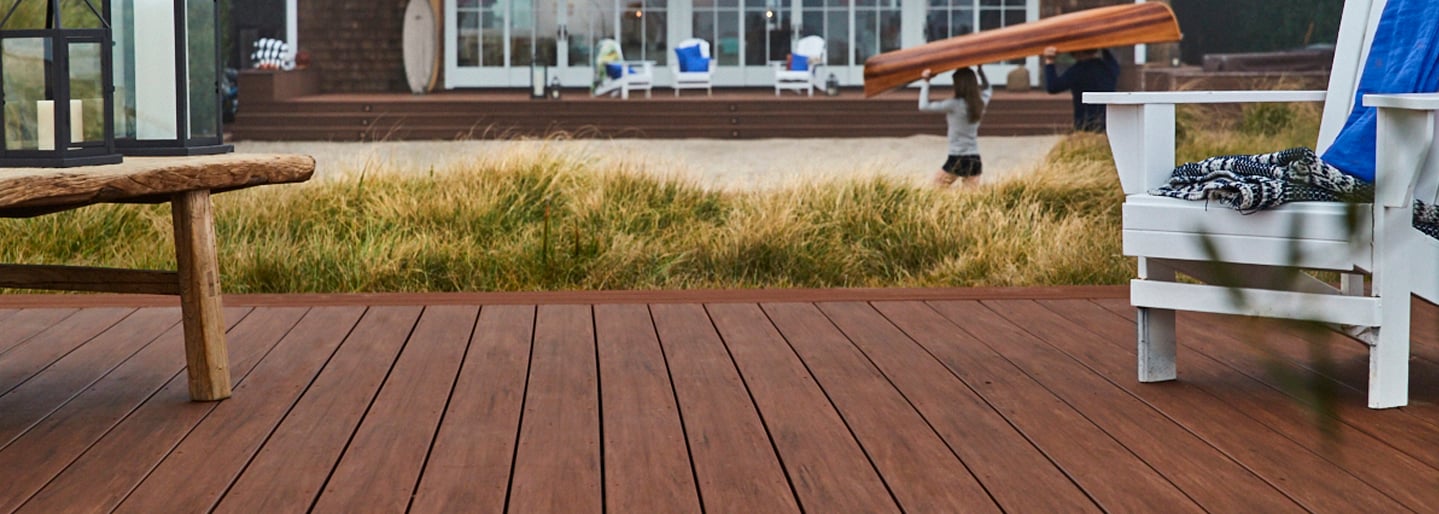
Our Most Comparable Composite To Trex
Compare Trex To Our Other Brands
See How Trex Stacks Up Against The Competition
Frequently Asked Questions About Trex Decking
Trex vs. The Competition
In terms of pure value & affordability, Trex is the industry leaader if you want a high-quality, low-maintenance deck without paying premium prices. Across the board, its entry-level (Enhance) and mid-tier (Select) lines are generally more budget-friendly than TimberTech’s equivalent tiers.
If you have large dogs, heavy patio furniture, or kids who drag toys around, Trex Transcend and Trex Signature feature incredibly hard outer shells. These premium lines are widely regarded by contractors as having some of the best scratch and dent resistance in the industry.
Trex has the strongest eco-friendly narrative. Their composite boards are made of 95% recycled materials, combining reclaimed wood fibers/sawdust with recycled plastics (like grocery bags and commercial stretch wrap).
If you want a composite deck that doesn’t look like plastic, TimberTech generally wins the beauty contest. Their premium lines (like Legacy or Vintage) feature highly complex, multi-tonal color streaking and wire-brushed, low-gloss textures that mimic natural, exotic hardwoods. Trex, by contrast, tends to have a more uniform, consistent, and contemporary finish.
The core difference lies in the material composition:
- Trex is a Capped Composite (made from a blend of 95% recycled wood fibers and plastic film). It is heavier, feels incredibly solid underfoot, and expands/contracts along its length.
- TimberTech Advanced PVC contains zero wood filler. It is a lightweight, 100% cellular polymer. Because it lacks wood, PVC handles moisture better (great for docks or pools), stays slightly cooler, and won’t expand or contract as much as composite, but it usually comes at a premium price point.
Trex offers a 25- to 50-year limited residential fade and stain warranty depending on the specific product tier (Enhance, Select, Transcend, or Signature).
- vs. Fiberon: Fiberon offers similar 30- to 50-year warranties on its premium lines.
- vs. TimberTech: Timbertech offers a 50-year to lifetime warranty on its high-end PVC lines.
All major brands protect against splitting, rotting, and insect damage, but Trex’s warranty is backed by the longest track record in the industry.
Generally, no. Trex uses the Universal HideAway® Fastener, which is specifically engineered to fit the unique side-groove profile of Trex boards. While some universal third-party clips (like CAMO Universal Deck Clips) work across multiple brands, using Trex hardware on a competitor’s board (or vice versa) can complicate installation and potentially compromise your warranty coverage if a failure occurs.
Yes, over time. While pressure-treated wood has a lower upfront material cost, it requires regular sanding, staining, and sealing every 1–3 years. Trex estimates that due to the ongoing costs of wood maintenance and its shorter lifespan (typically 10–15 years before rotting), a Trex deck generally reaches a financial break-even point within 4 to 5 years.
Like any outdoor surface, composite decking will get warm in the sun. However, extensive testing shows that color is the biggest factor in heat retention, not the material. A dark-stained wood deck will actually retain similar or higher levels of heat than a matching dark Trex board. If your deck gets direct afternoon sun, opting for lighter colors (like those in the Trex Transcend Lineage line) will keep the surface cooler underfoot.
Installation & Maintenance
No, not as a primary fastener. Glue cannot be used to hold decking boards down. However, when installing Trex Fascia boards, glue may be used as a secondary fastener alongside approved screws.
Only if using a sleeper system. Trex cannot be laid directly flat onto a solid surface like concrete or an existing roof. It requires adequate drainage and ventilation underneath, which must be achieved by building an approved sleeper system framework first.
No. Trex composite products are not structural lumber. They are strictly engineered to be used as walking surfaces, fascia, and guardrail systems—never for the structural framing or posts of the deck itself.
Yes, high-performance lines (Trex Transcend, Enhance, Select, Signature): Yes. You can use a pressure washer up to 3100 psi with a fan-tip attachment. Keep the tip at least 8 inches away from the surface to prevent damage.
Early-generation lines (Trex Accents, Origins, Natural) is a No. Power washing early-generation boards will damage the surface and void the warranty. Soap, water, and a soft bristle brush are recommended instead.
Never sand Trex boards. Sanding permanently alters the protective outer shell/appearance and immediately voids the warranty.
While modern Trex is designed never to need painting or staining, older generations could be painted if desired. However, doing so on modern capped lines defeats the low-maintenance purpose and is generally not recommended.