Cedar Decking
Cedar isn't only beautiful on the outside, it's natural characteristics make it the ideal choice for decking – it’s durable, long-lasting and requires minimal upkeep.
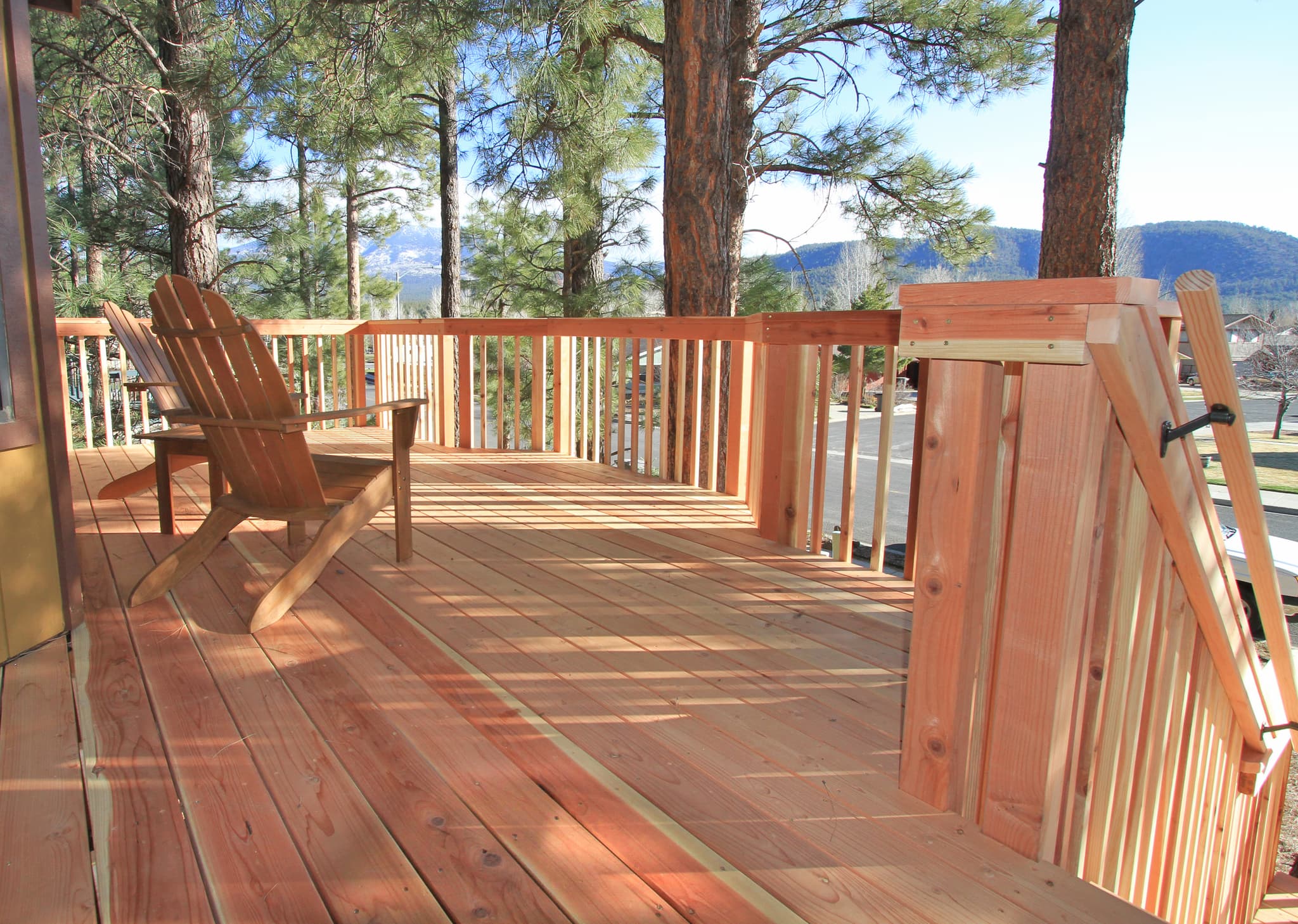
In addition to its weather-resistant properties and naturally occurring preservatives that stand up to insects and decay, Cedar is a highly sought after decking material through and through. Pitch & resin-free, Cedar accepts & holds a wide range of finishes, while its rich, crisp beauty can enhance any outdoor living space, and it’s one of the most sustainable wood options on the market.
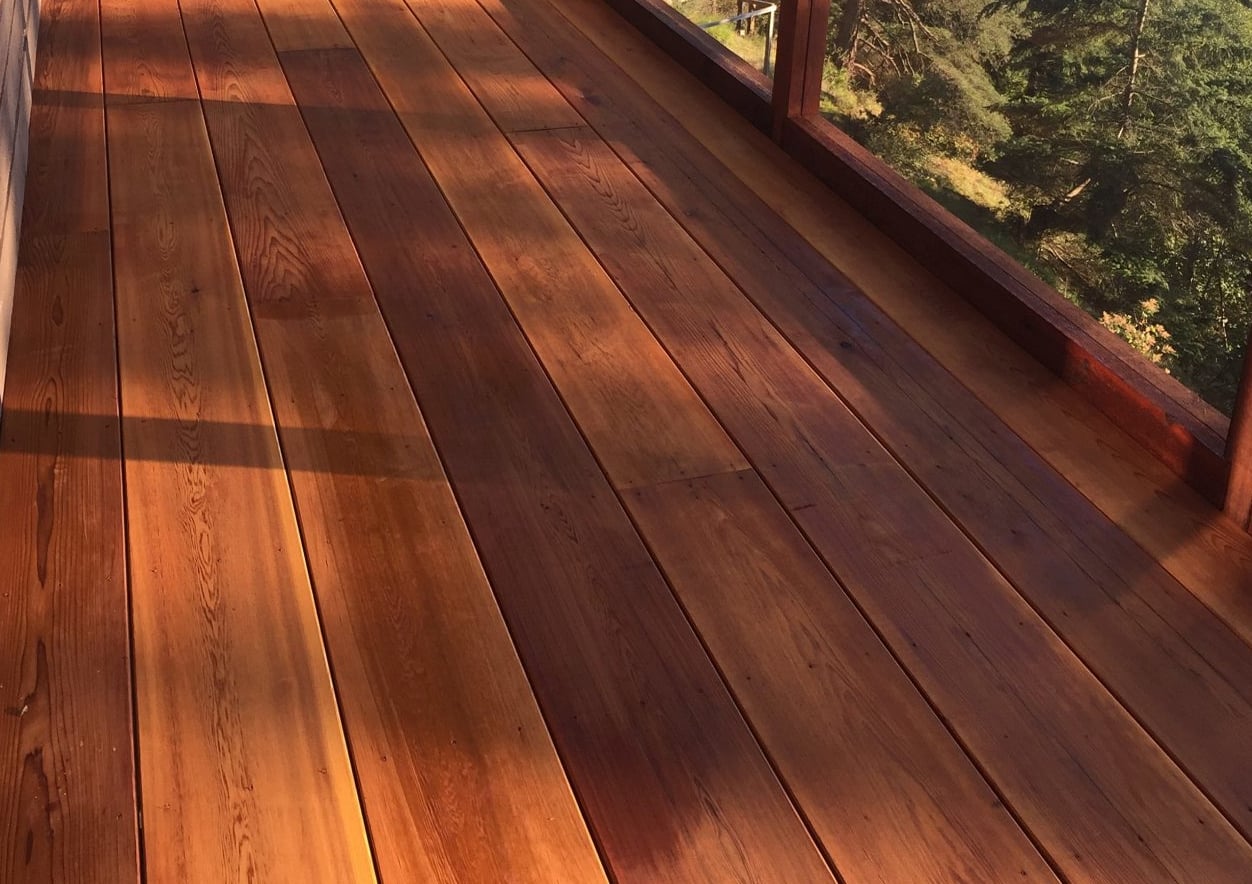
About Cedar Decking
There is no real substitute for the natural beauty of Cedar. This cost-effective decking option is a natural choice for the most discerning of homeowners.
From golden honey to warm chestnut, Cedar’s stunning range of naturally occurring colors makes it a sought-after, sustainable option for pergolas, trellises and decks. There’s also no shortage of styles in terms of texture, including a knotty or clear wood in any grade, cut or size, along with a multitude of stain options to help maintain your deck for years to come.
Cedar is also an incredibly versatile building material, and is a popular choice for both homeowners, builders and architects. From decking to siding, to pergolas and timber pavilions, Cedar suits every type of building application.
Why Cedar Decking From The Decking Superstore?
Widest Selection in NorCal
Around Since 1965
Over 2 Acres of Decking Onsite
Ship Nationwide
Custom Milling Onsite
Cedar Benefits & Fast Facts
What Are The Benefits Of Cedar Decking?
Naturally Beautiful
Beautiful warm color tones and unique grain patterns make this an excellent and economical wood decking choice.
Long Lifespan
With regular maintenance and proper installation, Cedar decking can last up to 15-20 years.
Class ‘B’ Fire Resistance
Cedar decking has a Class B fire classification by the National Fire Protection Association.
Dimensionally Stable
Cedar has a very low shrinkage factor and is highly resistant to warping, twisting and checking.
Sustainably Forested
Cedar is harvested from forests that are certified by both the Forest Stewardship Council and the Sustainable Forestry Initiative.
Easy To Work With
With a Janka Hardness rating of 350lbs, Cedar decking is lighter than Redwood, and is easy to cut and drill making this material a builder's dream to work with.
Cedar Decking Grades
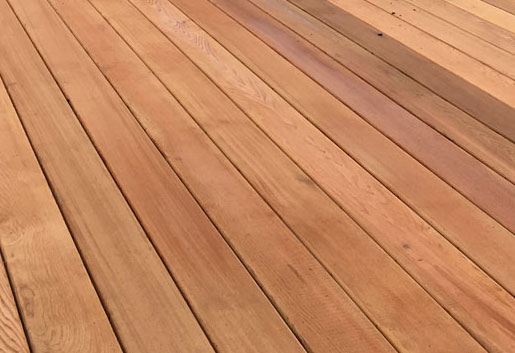
Clear
For a sophisticated and streamlined look, the Decking Superstore offers premium clear grades of Cedar. This smooth, top-performing decking material is ideal for creating modern outdoor spaces where crisp, clean lines are desired. That’s why when only the best will do, this beautiful, durable wood is the go-to choice among discerning deck builders.
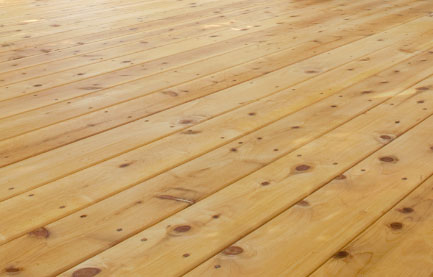
Select Tight Knot
The warm, textured look of Select Tight Knot Cedar is perfect for creating traditional or rustic feeling outdoor spaces. A trusted Decking Superstore product, this beautiful wood features tight knots that add character without impeding structural performance. Our Select Tight Knot decking is also a more cost-effective choice for builders on a budget.
Looking For Other Products?
See Our Related Product Categories
Frequently Asked Questions About Cedar Decking
Cedar Decking General
Western Red Cedar is a premium natural wood decking prized for its striking warm beauty, exceptional dimensional stability, and natural resistance to decay.
Unlike synthetic materials or treated lumber, Cedar does not rely on harsh chemical preservatives. It contains natural oils and tannins that inherently protect the wood against rot, moisture damage, and wood-boring insects. Additionally, Cedar remains flat and straight, meaning it is highly resistant to warping, twisting, and cupping.
A well maintained Western Red Cedar deck has an expected lifespan of 15 to 25+ years.
The longevity of a Cedar deck depends heavily on local weather conditions, sun exposure, ventilation beneath the deck, and how consistently it is sealed. Because it naturally handles moisture and temperature fluctuations with minimal expanding or contracting, its structural integrity remains sound for decades.
No, Western Red Cedar naturally stays cool underfoot, even on scorching summer days.
Because Cedar is a low density softwood, it contains millions of microscopic, air filled wood cells. These cells act as natural insulators, allowing the wood to dissipate heat rapidly rather than absorbing and retaining it. This makes Cedar a far more comfortable choice for bare feet and pets compared to dark composite decking or dense exotic hardwoods.
The main difference lies in the visual appearance, number of knots, and overall price point:
- Knotty (Select Tight Knot Cedar): This grade features tight, sound, natural knots that give the deck a rustic, classic, and organic charm. It is a highly durable, cost-effective option for traditional outdoor spaces.
- Clear Cedar: This is the highest premium grade available, virtually free of knots. It showcases a smooth, flawless, and modern vertical grain. Clear Cedar is selected for high-end architectural designs where a sleek, uniform aesthetic is desired.
To maximize the lifespan of Cedar decking, it should be cleaned annually and treated with a protective finish:
- To retain its natural color: Apply a high quality, UV inhibiting semi transparent stain or sealant every 1 to 3 years. This shields the wood from sun bleaching and water penetration.
- To let it weather naturally: If left untreated, Cedar will gradually mature into a beautiful, classic silvery gray patina. Even when allowed to weather, applying a clear water repellent sealer helps prevent moisture tracking.
Yes, Western Red Cedar is one of the most sustainable and eco-friendly building materials available.
It is sourced from sustainably managed, renewable forests in the Pacific Northwest, where strict replanting laws ensure forest health. Cedar requires significantly less energy to manufacture than composite decking, plastics, or concrete, and it is 100% biodegradable at the end of its life cycle.
Yes, Western Red Cedar is highly porous and accepts stains, oils, and paints exceptionally well.
Because it is entirely free of pitch and resin, finishes adhere to the wood grain beautifully without bleeding or blistering. For decks, a high quality oil based penetrating stain is highly recommended over paint, as it highlights the natural wood grain and will not peel or flake under foot traffic.
Cedar vs Redwood
Cedar: Showcases a broader palette of warm, earthy tones ranging from straw yellows to rich amber browns. It gives a bright, modern, and inviting look to outdoor spaces.
Redwood: Famous for its deep, dramatic, and luxurious reddish pink to dark maroon heartwood. It provides a highly prestigious, classic architectural aesthetic.
While both woods are softwoods that feel comfortable underfoot, Redwood is structurally superior to Cedar.
Redwood possesses a higher Janka hardness rating and a higher structural load capacity. It is less likely to dent from heavy patio furniture or pet claws.
Redwood contains higher levels of natural oils and tannins. This means its core heartwood offers slightly higher natural resistance to moisture, decay, and termites than Cedar over a multi-decade timeline.
Both species are legendary for their low “shrinkage coefficient,” meaning they expand and contract very little when exposed to severe humidity or temperature swings.
They both stay incredibly straight, flat, and true.
Unlike pressure treated southern yellow pine, neither Cedar nor Redwood is prone to severe twisting, bowing, warping, or splitting.
Western Red Cedar grows abundantly throughout the Pacific Northwest and British Columbia. Because of this massive, carefully managed agricultural footprint, it is widely accessible across North America with a highly stable supply chain.
California Redwood grows in a narrow, highly protected geographic strip along the coast of Northern California. Because logging is strictly regulated to protect old growth ecosystems, the supply of new Redwood lumber is much tighter. It is readily available on the West Coast, but shipping costs cause prices to spike significantly east of the Rockies.