Redwood Decking
Naturally robust Redwood is a durable and sustainable decking material prized for its rich reddish-brown hues and tones.
The warm tonal range in Redwood decking makes a statement and creates a dramatic effect that few building materials can achieve without the aid of a saturated stain. This top-performing softwood that doesn’t easily check, shrink or warp.
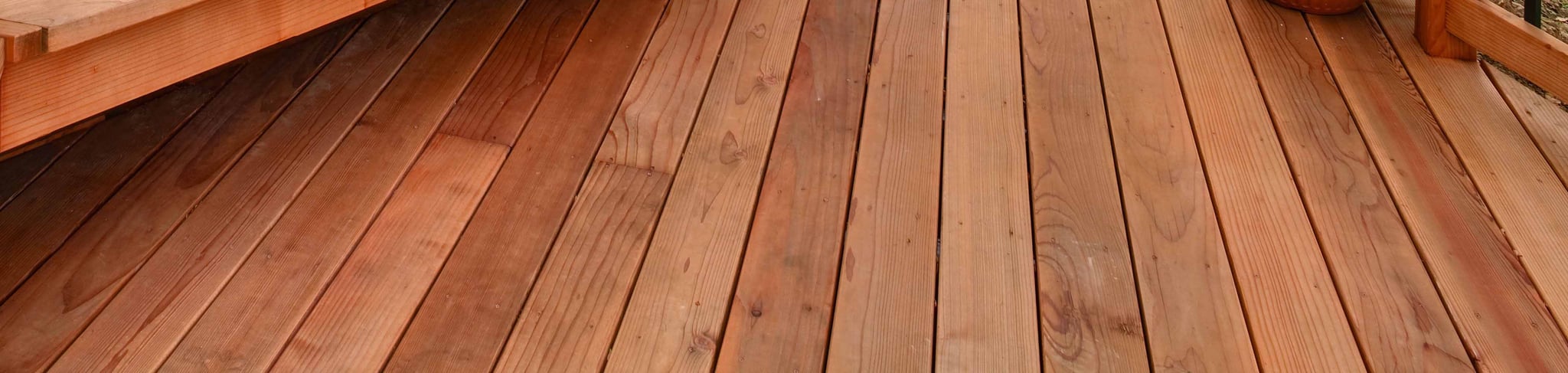
About Redwood Decking
Redwood is naturally resistant to insects and decay, and resists warping and splitting. The warm reddish tonal range makes a statement and creates a dramatic effect that few building materials can achieve without the aid of a saturated stain.
With regular maintenance, Redwood decking can last up to 15-20 years. At any stage in the aging process, it is possible to preserve Redwood’s distinct color by simply applying a sealer, or allow it to weather naturally to a silvery patina. The application of sealants, paints or other finishes is not required to complete a Redwood structure, which is resistant to UV rays, so it will maintain its beautiful vibrant appearance for decades to come.
Redwood Benefits & Fast Facts
What Are The Benefits Of Redwood Decking?
Beautiful, Rich Red Tones
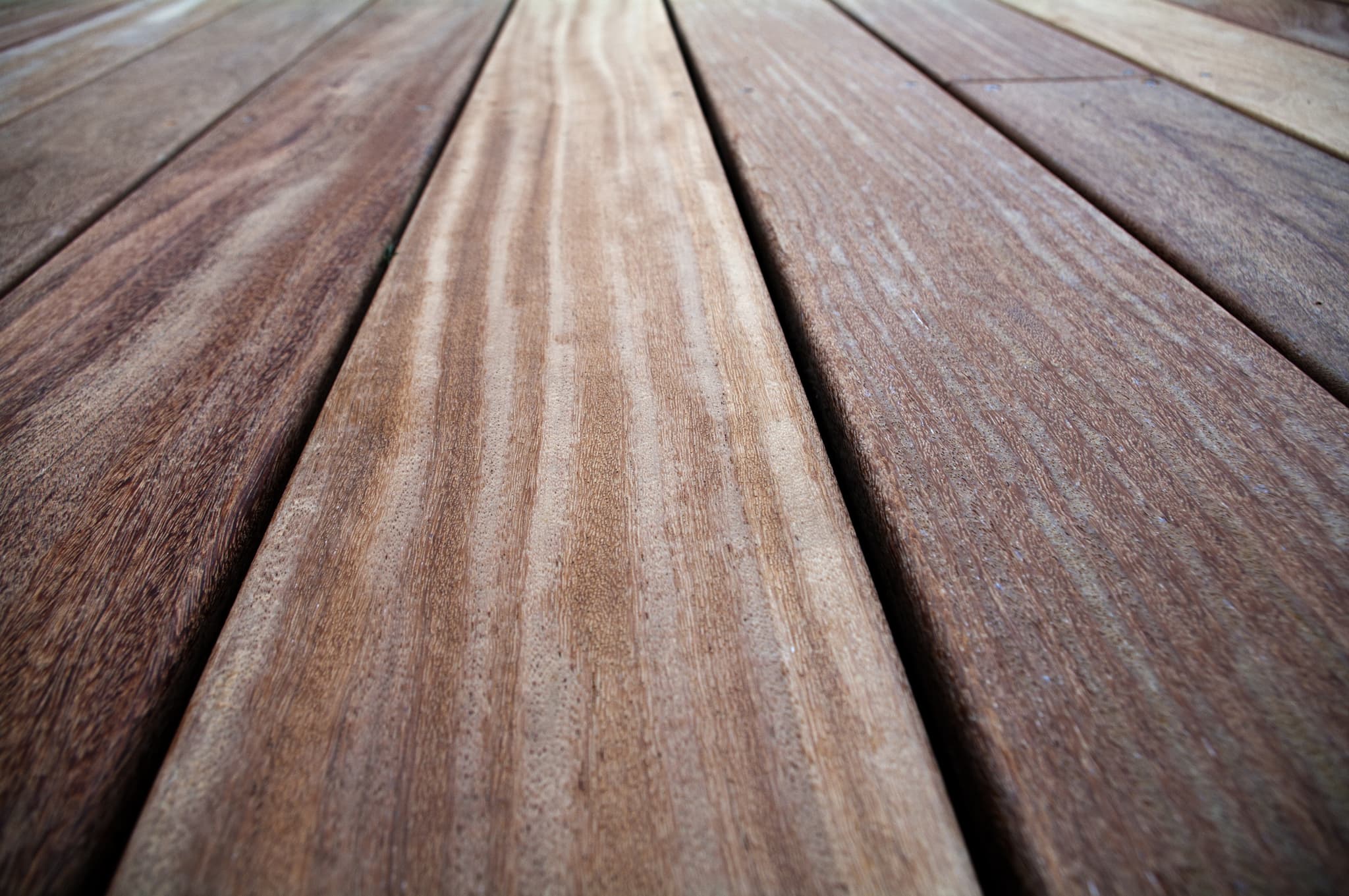
Redwood's distinct warm and rich colors, and beautiful grains and patterns make this a top choice decking material.
Long Lasting
With regular maintenance, Redwood decking is a solid option lasting up to 15-20 years.
Dimensionally Stable
Redwood that doesn’t easily check, shrink or warp making it a top choice for decking and siding projects.
Easy To Work With
With a Janka Hardness rating of 450lbs, Redwood decking is lightweight, easy to cut and drill making this material an extremely easy material to work with.
Class ‘B’ Fire Resistance
Redwood decking has a Class B fire classification by the National Fire Protection Association.
Color Longevity When Maintained
Do you prefer red or grey coloration? Regular staining will preserve the distinct coloration, or you can allow it to weather naturally to a silvery patina.
Why Choose Redwood Decking?
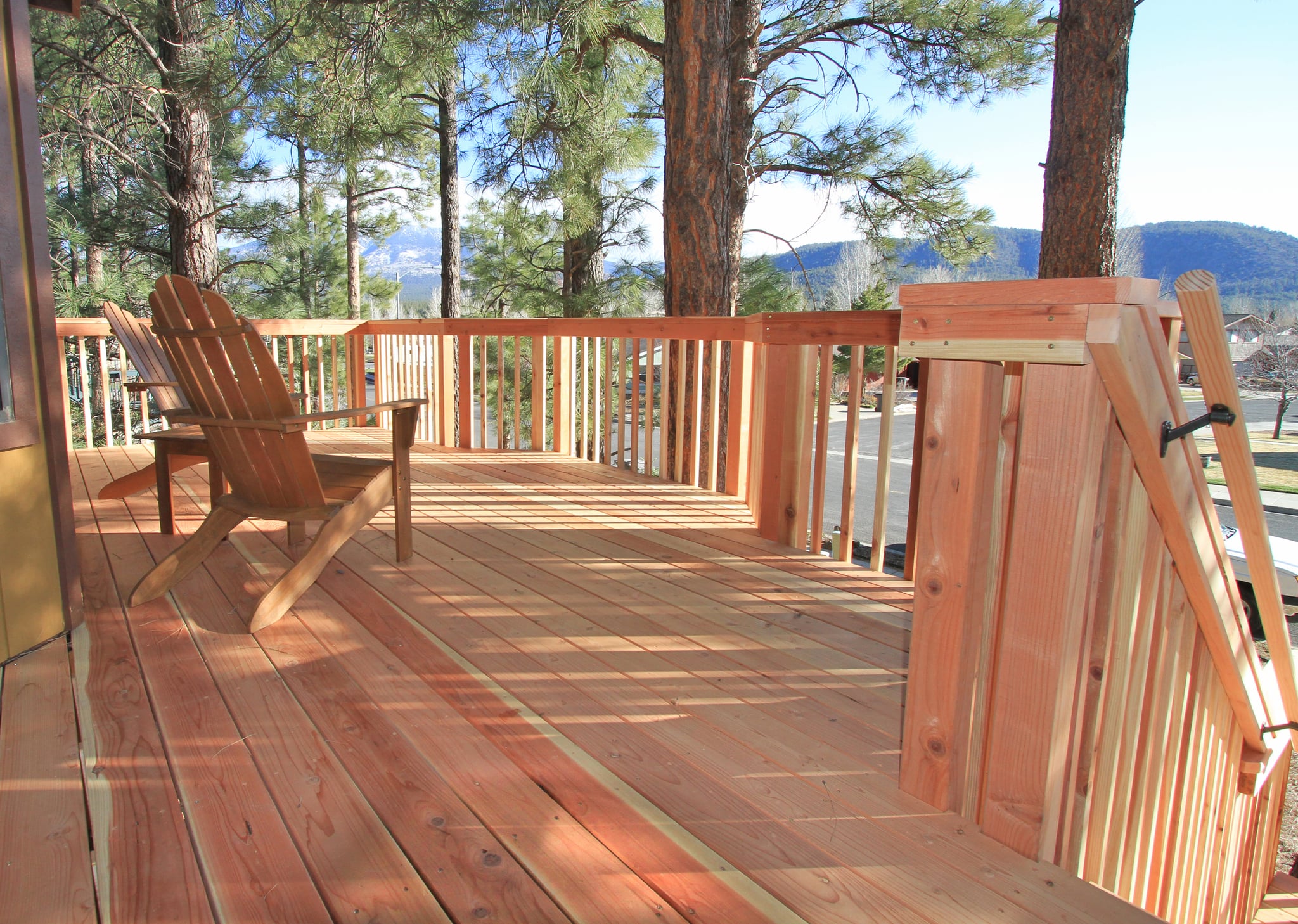
Redwood resists decay and damage caused by insects and works for decks in both damp environments and dry climates. Redwood decking earned a Class B compliance rating in flame-spread and heat-release lab tests and is also listed in California's Fire Marshal's guide of approved building materials.
Redwood resists warping, splitting and stays comfortable underfoot even on the hottest days. Compared to tropical hardwoods, Redwood generally costs less on a square-foot basis. Much lighter in weight than tropical hardwoods and composites, Redwood is also easier on the tools. Despite its lightness, Redwood stands up to the elements and is strong enough to ensure a strong, secure and, of course, beautiful thermally that stays cool under your foot.
Why Redwood Decking From The Decking Superstore?
Widest Selection in NorCal
Around Since 1965
Over 2 Acres of Decking Onsite
Ship Nationwide
Custom Milling Onsite
Redwood Decking Grades
Heart Clear
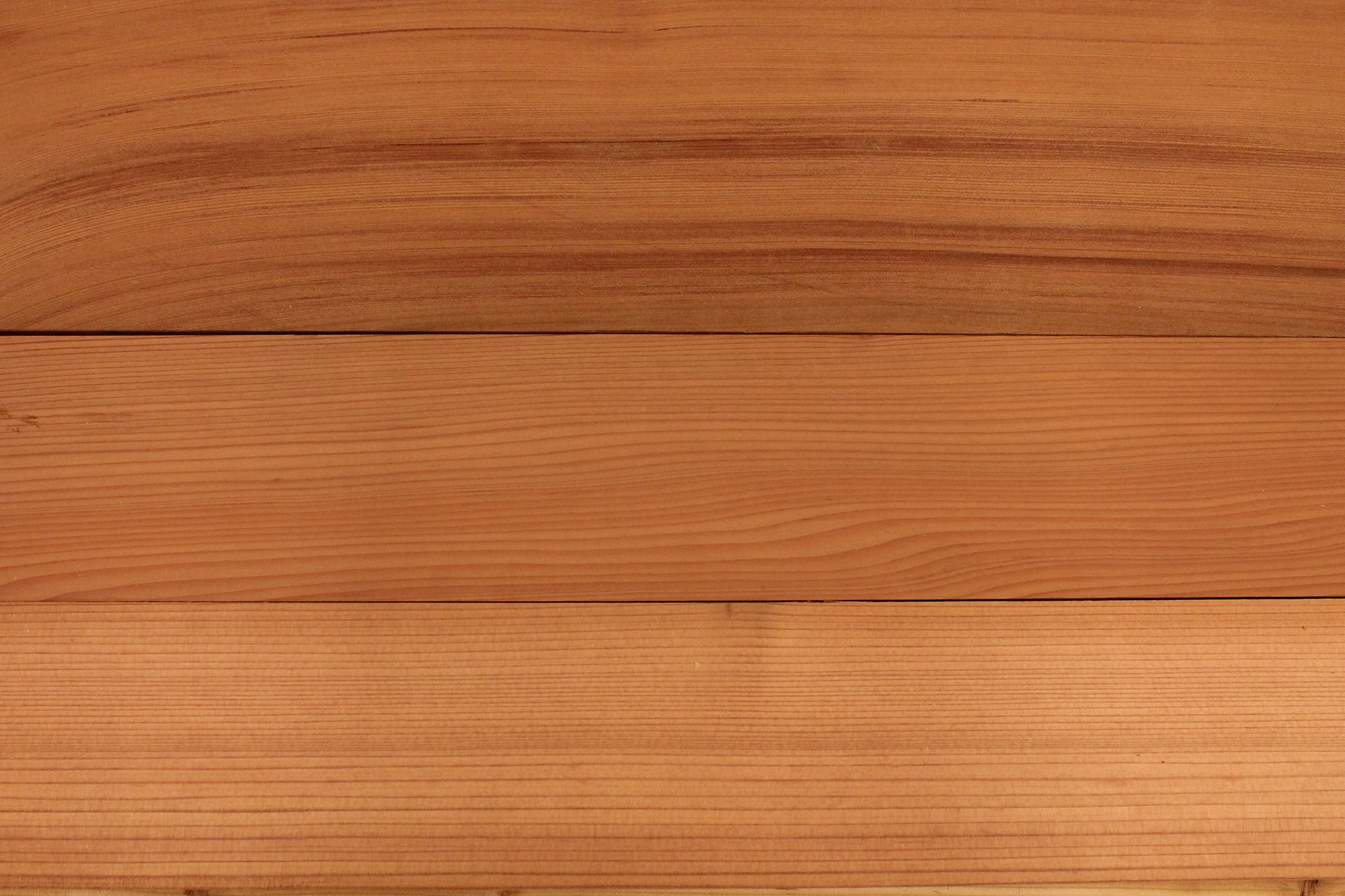
The Decking Superstore’s Heart Clear Redwood only contains durable heartwood and therefore showcase the very best attributes of this softwood. This highest quality appearance wood is virtually clear, free of knots and any imperfections. Color streaking is consistently red with little to no white striping. This product is a popular choice for siding, paneling, decking, trim or any other appearance applications and is typically construction grade.
Clear Heart Face
Our Clear Heart Face Redwood also shares the same premium qualities and characteristics as Heart Clear, however this more cost-effective option has an exceptional and consistent “all-red-side”. When installed outwards in an appearance application, it is very difficult to tell the difference between this grade and Heart Clear.
Heart B
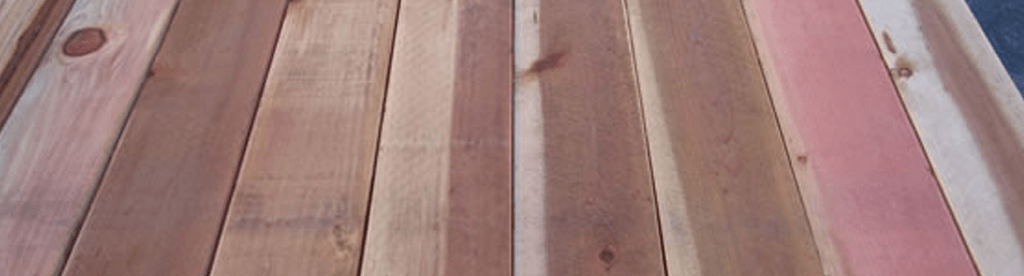
Similar to Heart Clear and Clear Heart Face, this cost-effective but still higher end grade of Redwood may have minor imperfections and white streaking (sapwood). You may encounter some knots which makes this an even more cost-effective solution to Clear Heart Face. Perfect for complementing your Redwood deck with a matching outdoor structure such as timbers for a pergola and garden arbor (while saving you money).
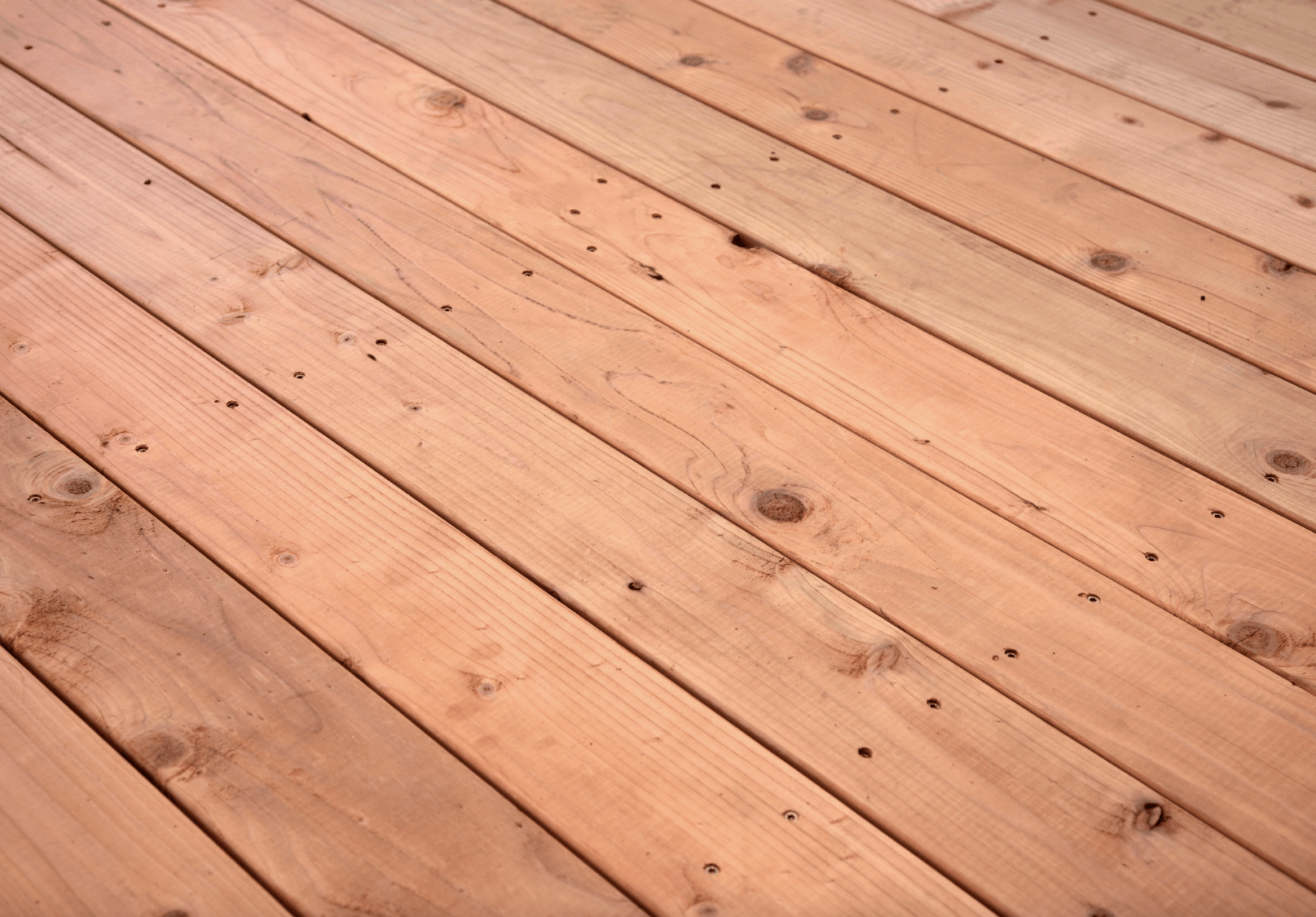
Select Heart
This more budget-friendly grade of Redwood may contain knots of varying sizes and other slight imperfections such as more white streaking throughout. This grade is ideal for fencing, pergolas and lattice panels.
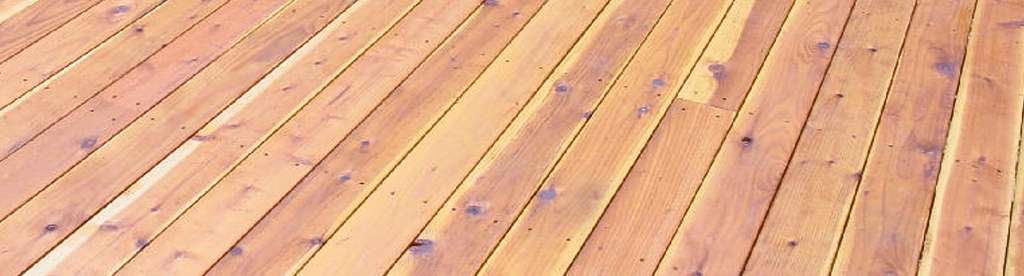
Construction Heart
This grade of Redwood has very similar appearances to Select Heart, but is not graded for strength in construction. Usually used around the home, garden and in general construction
Looking For Other Products?
See Our Related Product Categories
Frequently Asked Questions About Redwood Decking
Redwood Decking General
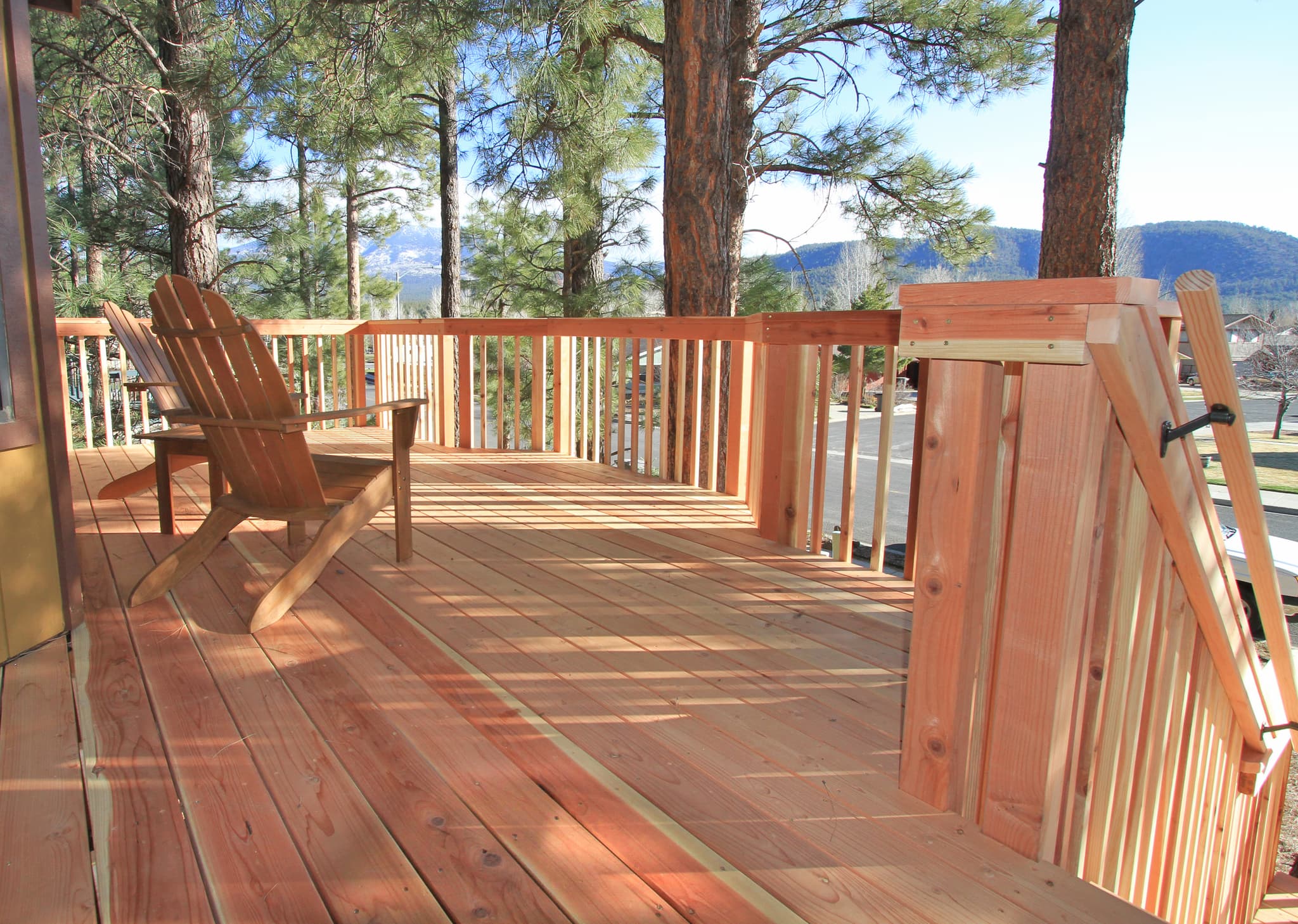
Redwood decking provides a striking, warm reddish brown tonal range that adds an organic, dramatic luxury to outdoor spaces without requiring a heavy saturated stain. As a top performing natural softwood, California Redwood is highly dimensionally stable, meaning it resists warping, shrinking, checking, and splitting even when exposed to severe weather changes. It contains natural tannins that make it highly resistant to wood-boring insects, rot, and decay. Additionally, Redwood maintains a Class B flame spread and heat release rating, making it a safer option for fire-prone regions, and it naturally stays comfortable and cool underfoot even during peak summer days.
With regular cleaning and standard periodic maintenance (such as applying a UV inhibiting sealer or stain), a premium Redwood deck can easily last between 15 to 20 years. Because the wood is lightweight yet structurally resilient, it stands up exceptionally well to both damp environments and dry climates over decades of use.
No, the application of paint, heavy stains, or solid sealants is not mandatory to maintain the structural integrity of your Redwood deck. Redwood is naturally resistant to UV rays and organic breakdown. However, while it will maintain its structural strength for decades without intervention, untreated Redwood will naturally weather over time into a soft, silvery-gray patina. To preserve the vibrant, original reddish-brown hues, it is recommended to periodically apply a clear or lightly tinted water-repellent sealer with UV inhibitors.
Yes. The California Redwood decking supplied by The Decking Superstore is a renewable, highly sustainable resource sourced from responsibly managed forests. Wood naturally traps and stores carbon throughout its lifecycle. Because it requires minimal industrial processing compared to the chemical manufacturing of synthetic composites or the extensive carbon footprint of shipping tropical imports, natural Redwood stands out as an environmentally responsible choice for outdoor construction.
Redwood vs. Cedar
California Redwood is structurally stronger and denser than Western Red Cedar. Redwood has a Janka hardness rating that is roughly 20% to 30% higher than Cedar, making it significantly more resistant to scratching from pet claws, scuffs from patio furniture, and heavy foot traffic. Because of its superior bending strength, Redwood can also span slightly longer distances between joists without sagging.
Both Redwood and Cedar offer excellent longevity, typically lasting 15 to 20+ years when properly maintained. Both species contain natural tannins and oils that make them highly resistant to rot, decay, and wood-boring insects without requiring chemical pressure treatments. However, because Redwood is physically denser, it is slightly less prone to “checking” (surface splitting and cracking along the grain) over decades of weathering.
Generally, California Redwood and Western Red Cedar are comparably priced, but cost fluctuates based on your geographic region and the grade of lumber. On the West Coast, Redwood is highly abundant and incredibly cost effective. In other regions, Cedar may have a slight price advantage due to its broader distribution footprint across the Pacific Northwest and Canada.
Yes, combining the two woods is an excellent, cost effective design strategy. Because they share identical natural resistance to rot and decay, they age at similar rates. A popular industry practice is to use Redwood for the high traffic horizontal surfaces (like deck floorboards and stair treads) due to its hardness, and Cedar for vertical accents (like privacy screens, pergolas, railings, or fencing) where its lighter weight and varied color tones shine.
Both woods are highly workable softwoods, but Cedar is physically lighter. Cedar’s lower density makes it exceptionally easy to cut, drill, and manipulate, putting minimal wear on your power tools and saw blades. Redwood is also highly workable and dimensionally stable (it resists warping and twisting during installation), but it is heavier to lift and handle on the job site compared to Cedar.